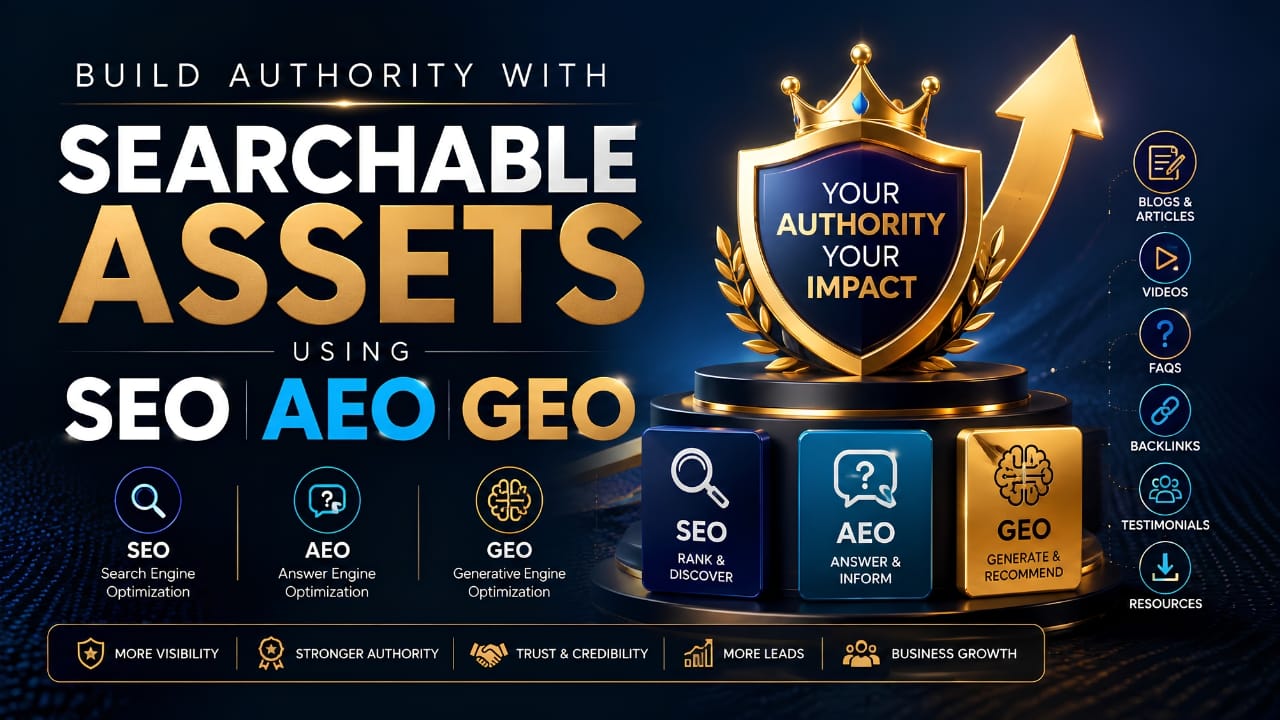
Build Authority With Searchable Assets Using SEO AEO GEO
SEO, AEO & GEO Authority Building
Complete Tutorial Notes
1. The New Search Landscape
Search is no longer limited to Google.
People now discover information, experts, coaches, businesses, and solutions through multiple platforms, including:
Google
YouTube
LinkedIn
Instagram
Reddit
Bing
ChatGPT
Claude
Perplexity
Other AI and social discovery platforms
Therefore, the goal is no longer simply to rank a website.
The bigger objective is to become discoverable wherever your audience searches for answers and solutions.
2. SEO, AEO and GEO
The session introduces three major visibility concepts.
SEO = Search Engine Optimization
SEO focuses on helping your content appear when people search for keywords, topics, services, products, experts, or solutions.
Example:
“Best SEO Coach in India”
If you want your website, video, profile, or content to appear for that search, you need to optimize your searchable assets.
SEO is fundamentally about search visibility.
AEO = Answer Engine Optimization
AEO focuses on creating content that can answer specific questions.
The strategy is to identify the questions your audience is asking and provide clear answers.
A major recommendation from the session is to create FAQs.
For example:
Who is the best Digital Coach in India?
How do I start a Digital Coaching Business?
How much does Digital Coaching cost?
How can a coach generate leads online?
How can I build authority online?
FAQs provide both questions and answers, making them useful components of an Answer Engine Optimization strategy.
GEO = Generative Engine Optimization
GEO focuses on visibility inside AI-powered generative platforms.
The session specifically mentions:
ChatGPT
Claude
Perplexity
The objective is to build enough online information, authority, references, mentions, content, entities, and supporting signals that AI systems can discover and understand your expertise.
3. The Core Principle: Become Searchable
One of the strongest lessons from the session is:
Do not focus only on becoming a creator. Build searchable assets.
A creator may chase views, likes, and subscribers.
A professional, coach, expert, or business owner should build assets that continue working after publication.
Examples of searchable assets:
Website pages
Blog posts
YouTube videos
LinkedIn content
FAQs
Case studies
Testimonials
Resources
Guides
PDFs
Social profiles
Interviews
Podcasts
References
Backlinks
Citations
The session repeatedly emphasizes creating searchable assets instead of simply creating content for content's sake.
4. Content Should Build Authority
Content should not merely generate attention.
It should establish:
Expertise
Credibility
Relevance
Authority
Visibility
Trust
A strong digital presence repeatedly communicates:
Who you are + What you know + Who you help + What problems you solve + Why people should trust you.
Credibility should be communicated consistently rather than mentioned only once.
5. Keywords Still Matter
Keywords remain an important component of SEO.
The session explains that when important keywords appear naturally within relevant content, they help search engines understand what the content is about.
However, keyword placement should support the overall topic and relevance.
The objective is not to stuff keywords.
The objective is to make your expertise understandable and discoverable.
6. Relevance Is More Powerful Than Random Activity
Posting every day is not enough.
Your activity needs to be relevant to your niche.
For example:
Someone may publish ten posts every day, but if those posts have nothing to do with their expertise, they may be less valuable than a smaller number of highly relevant posts.
Therefore:
Relevant + Consistent Activity > Random High-Volume Activity
The session specifically emphasizes that relevance is highly important when building visibility.
7. Consistency Builds Visibility
Consistent activity is another important signal.
You need to keep creating and publishing useful material rather than appearing online occasionally.
The session recommends a practical approach:
Daily
Invest around 30 minutes in building searchable and networking assets.
Weekend
You may invest approximately 60–90 minutes when required.
The goal is sustainable consistency rather than spending the entire day on social media.
8. Build a Unique Identity
Competition is becoming increasingly difficult.
Instead of trying to copy competitors, build a distinctive identity.
The session recommends:
Create a Unique Identity
Become known for something specific.
Create a Blue Ocean
Do not fight everyone in the same crowded category.
Create your own positioning, terminology, methodology, niche, or category.
The underlying principle is:
Don't compete with everyone. Create your own space.
9. What Is a Blue Ocean?
Blue Ocean positioning means creating a distinct space where direct competition becomes less important.
Instead of saying:
“I am another Digital Coach.”
Create a differentiated identity around:
A specific audience
A specific problem
A specific methodology
A specific transformation
A specific category
A specific positioning
The session describes Blue Ocean as having a clear and distinctive identity.
10. Backlinks as Digital Votes
The session explains backlinks using a simple analogy:
A backlink is like a vote.
When another relevant website links to your website, it creates an external reference pointing toward you.
Examples:
A friend's website links to your website.
A podcast website mentions you.
A partner publishes your profile.
Another website references your article.
A directory or industry website mentions your business.
These external references contribute to your broader online authority ecosystem.
11. Social Profiles Can Support Your Visibility
Your digital presence should not exist only on your website.
Connect your ecosystem across:
Website
LinkedIn
YouTube
Instagram
Facebook
Substack
Other relevant platforms
Your profile links, content links, and references can create connections between these properties.
The session describes these supporting connections as votes and backlinks.
12. References and Citations
Backlinks are not the only external authority signal discussed.
The session also emphasizes:
Relevant References
Mention credible and relevant sources.
Backlinks
Link to relevant external or internal resources.
Citations
Reference sources, people, organizations, or information appropriately.
The recommendation is to use relevant references, backlinks, and citations, particularly within blog content.
13. Talk About Other People
An important authority-building strategy is to avoid talking only about yourself.
Create content about:
Industry experts
Influencers
Other coaches
Partners
Events
Organizations
Relevant businesses
People in your ecosystem
For example:
“Top 7 SEO Coaches in India”
Instead of simply writing about yourself, create a useful article that includes several relevant people.
This can create opportunities for:
Mentions
Collaboration
Sharing
References
Relationships
Authority
The session specifically connects this strategy with collaboration.
14. Use Your Blog as an Authority Engine
One of the strongest insights from the session is that your blog should not be treated as a simple collection of articles.
Your blog can become a central authority engine.
It can contain:
Your expertise
Your opinions
Your solutions
Your updates
Your case studies
Your videos
Your resources
Your FAQs
Your testimonials
Your offers
Your references
A participant specifically described the blog as a feeder engine for authority and visibility and as a central source of information about yourself and your business.
15. Blog Post Should Have FAQs
A blog post should answer the questions people actually ask.
A useful target discussed in the session is:
20 FAQs
Create a collection of relevant questions and answer them clearly.
This supports:
AEO
Search visibility
User experience
Topical authority
AI understanding
FAQs are particularly important because they explicitly connect questions with answers.
16. Add a Downloadable Resource
A blog post should ideally provide at least one downloadable resource.
Examples:
PDF Guide
Checklist
Workbook
Template
Resource Sheet
Framework
Worksheet
Mini Guide
The session suggests that creating a simple downloadable PDF does not need to be complicated.
17. Add a CTA
Every strategic blog post should have a Call to Action.
Possible CTAs:
Download the free guide
Join the community
Book a call
Join the masterclass
Register for a workshop
Book your seat
Start the challenge
Get the resource
Contact the coach
The session demonstrates using CTAs both within the page and toward the end/footer of the blog.
18. Make the Offer a No-Brainer
The CTA should lead to a meaningful next step.
Examples mentioned include:
Join my community
Download a free guide
Join my masterclass
Book your seat
The objective is to convert visibility into action.
19. Use Video Inside Your Blog
If you publish a YouTube video, do not let the video exist only on YouTube.
Embed it into your:
Blog post
Website
Course
LMS
Relevant resource pages
This creates connections between your content assets.
The session recommends embedding YouTube videos into relevant blog and course content.
20. Increase Website Engagement
The session discusses keeping users engaged with your website.
For example, a relevant embedded video can encourage a visitor to remain on the page longer.
The broader strategy is to create useful pages that encourage people to consume more of your content and explore your ecosystem.
21. Build User-Generated Content
UGC means:
User-Generated Content
Examples:
Testimonials
Reviews
Comments
Questions
Community discussions
User stories
Student experiences
Customer feedback
UGC cannot be completely controlled, but you can actively encourage people to participate and share their experiences.
22. Build Activities on Your Own Domain
An important recommendation is to create activities on your own website/domain.
Examples:
Questions
Polls
Quizzes
Surveys
Interactive content
Community activities
Resources
The idea is to build more activity around your own digital property rather than sending all attention to third-party platforms.
23. Don't Depend Entirely on Social Media
Social platforms are useful, but they are rented environments.
Your website is your owned digital property.
Therefore, use social platforms to distribute and amplify your content, but build the deeper content ecosystem on assets you control.
A useful structure is:
Social Media → Website → Blog → Resource → Lead → Community → Offer
24. Searchable Asset Ecosystem
The session recommends creating different types of assets for different purposes.
Website
Your authority hub.
Blog
Your information and authority engine.
YouTube
Your searchable video asset.
Your networking and professional authority asset.
FAQs
Your answer engine asset.
PDF/Guide
Your downloadable resource.
Social Media
Your distribution and discovery layer.
External Websites
Your backlink, citation, and reference layer.
The session explicitly recommends creating videos, LinkedIn networking assets, YouTube searchable assets, and FAQs as part of this ecosystem.
25. Creator vs Expert
A creator may focus primarily on:
Views
Followers
Subscribers
Engagement
But an expert or coach should focus on:
Relevance
Authority
Searchability
Trust
Leads
Clients
Business outcomes
The session makes the point that a creator with a very large audience may sometimes earn less than a highly relevant expert with a much smaller but targeted audience.
Therefore:
Audience size is not the same as business value.
The quality and relevance of the audience matter.
26. Evergreen Content Keeps Working
One powerful advantage of searchable assets is longevity.
A video or blog post published months or years ago can continue generating:
Search traffic
Leads
Authority
Visibility
Business opportunities
The session gives the example of older videos continuing to work and generate value long after publication.
27. Authority Is Built Through Multiple Signals
Authority should not depend on one platform or one type of content.
Build multiple signals:
Content + References + Backlinks + Citations + Mentions + Testimonials + Consistency + Relevance + Entities + Social Presence
The stronger the ecosystem, the easier it becomes for people and platforms to understand who you are and what you represent.
28. Create an Entity Around Yourself
The session repeatedly discusses credibility, references, people, and entities.
Your objective is to establish a recognizable digital identity around:
Name + Expertise + Niche + Content + Website + Social Profiles + Mentions + References + Community
Over time, these properties should reinforce each other.
29. Content Should Be Connected
Do not create isolated pieces of content.
Connect them.
For example:
YouTube Video
↓
Blog Post
↓
FAQ Section
↓
Downloadable PDF
↓
Lead Magnet
↓
Email/WhatsApp Follow-up
↓
Masterclass
↓
Offer
This turns individual content pieces into a Content Ecosystem.
30. The 60-Day Challenge
Toward the end of the session, a 60-day challenge is discussed.
The objective is to consistently create searchable assets and build authority.
The session emphasizes accountability, connection, consistency, and maintaining delivery during the challenge.
31. Practical Daily Strategy
A simple implementation framework from the session:
Every Day: 30 Minutes
10 Minutes
Create or improve one searchable asset.
10 Minutes
Build visibility through relevant platforms.
10 Minutes
Build relationships, references, backlinks, comments, or collaborations.
Weekend
Spend 60–90 minutes creating deeper assets such as:
Blog posts
Videos
FAQs
Resources
Case studies
Guides
This keeps the strategy sustainable instead of allowing social media activity to consume the entire day.
32. The Searchable Asset Formula
SEARCHABLE ASSET =
Topic
Keyword
Useful Content
Relevant Questions
Clear Answer
Credibility
References
Backlinks
Citations
Relevant Entities
CTA
Internal Links
External References
Distribution
33. The Authority Formula
AUTHORITY =
Expertise
× Relevance
× Consistency
× Credibility
× Visibility
× References
× Relationships
× Searchable Assets
The goal is not merely to publish more.
The goal is to become more discoverable, more credible, and more relevant.
34. Final Strategic Framework
The entire session can be reduced to this framework:
Step 1
Choose your niche and positioning.
Step 2
Create a unique identity.
Step 3
Identify the keywords people search.
Step 4
Identify the questions people ask.
Step 5
Create SEO-focused content.
Step 6
Create FAQ-based AEO content.
Step 7
Create AI-readable GEO content.
Step 8
Publish searchable assets across multiple platforms.
Step 9
Build backlinks and relevant references.
Step 10
Build citations and mentions.
Step 11
Talk about other relevant people and organizations.
Step 12
Create collaborations.
Step 13
Embed videos into your website and blog.
Step 14
Create downloadable resources.
Step 15
Add strong CTAs.
Step 16
Encourage UGC, testimonials, comments, questions, and reviews.
Step 17
Keep activity consistent.
Step 18
Build a 60-day searchable-asset habit.
Step 19
Turn your blog into the central authority engine.
Step 20
Build an interconnected Search + Content + Authority Ecosystem.
One-Line Master Lesson
Don't try to become famous everywhere; build enough relevant, credible and connected searchable assets that Google, YouTube, social platforms and AI systems can repeatedly discover, understand and associate you with your category.
The uploaded transcript is a long, partially noisy auto-generated recording, so I have intentionally not invented or silently reconstructed unclear statements. These notes preserve the clearly supported teaching framework while removing the transcript's conversational clutter.
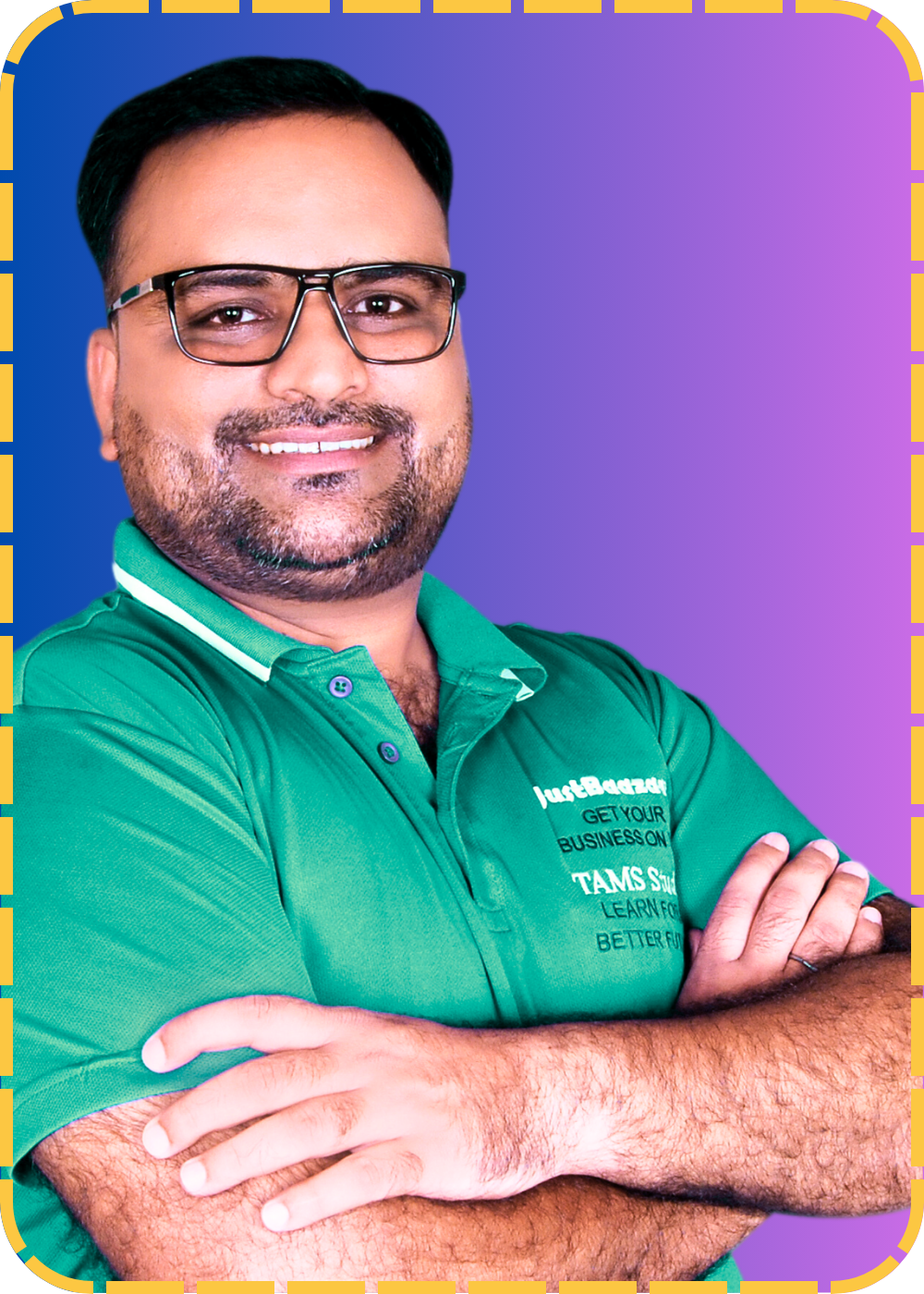
Hey, I am Sunil Chaudhary
If you're an expert, coach, trainer, or consultant who wants to build a profitable Digital Coaching Business, you're in the right place.
I believe people don't need more information; they need implementation.
That's why I've dedicated my work to helping knowledge professionals turn their expertise into a real business with proven systems, automation, and ongoing support.
My mission is simple: help you stop collecting courses, start implementing, and build a Digital Coaching Business that creates income, impact, and freedom. If you're ready to move from ideas to action and from learning to implementation, I'm here to guide you every step of the way.
Let's build your Digital Coaching Business together.


Join Digital Coach Newsletter
Live Digital Coach Funnel Challenge - Book Your Seat Now
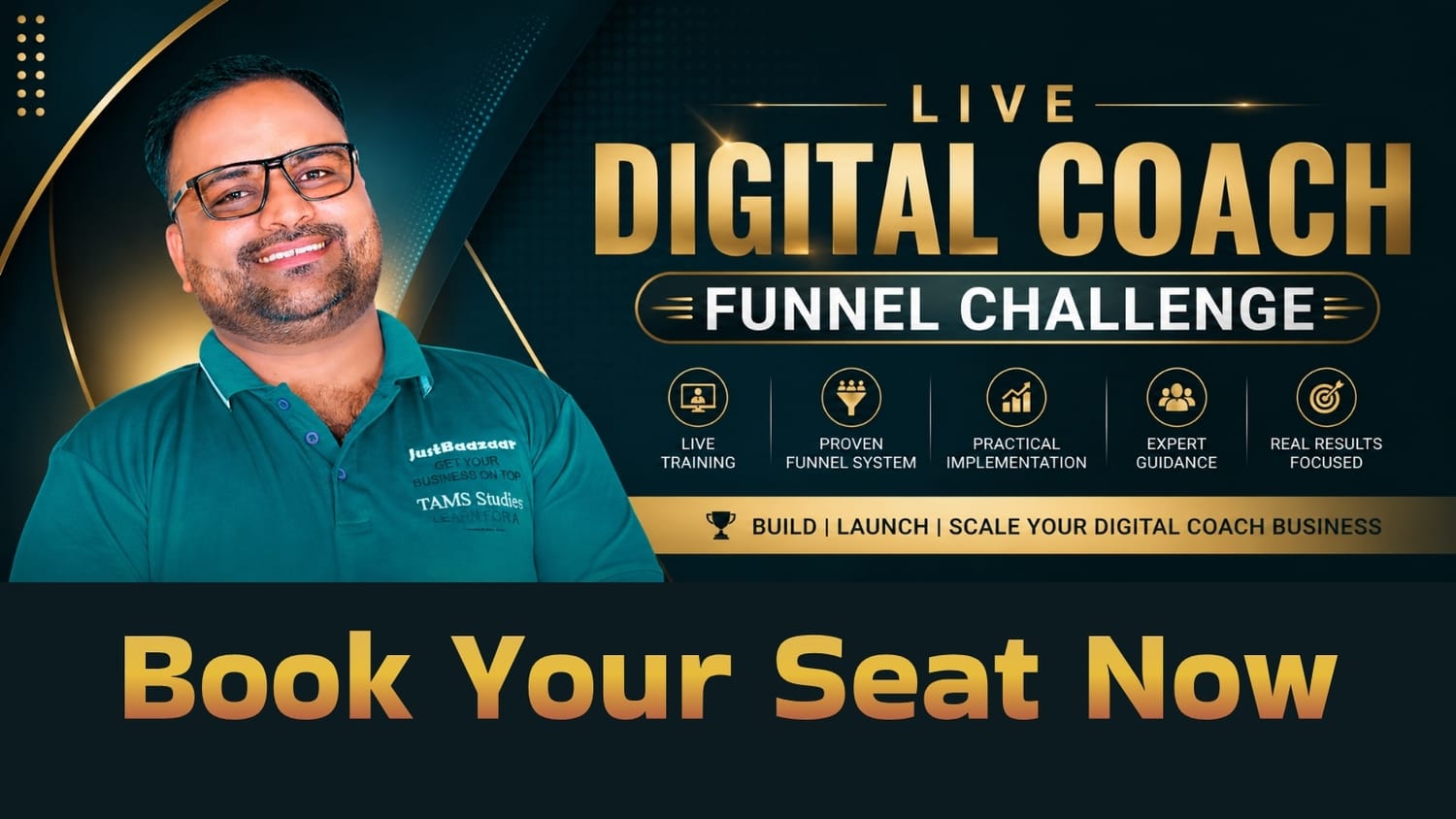
Hi I'm Sunil Chaudhary, India's Digital Coach Business Implementation Mentor helping experts, coaches, trainers, and consultants build profitable digital coaching businesses with ongoing support.
WhatsApp +919759999231